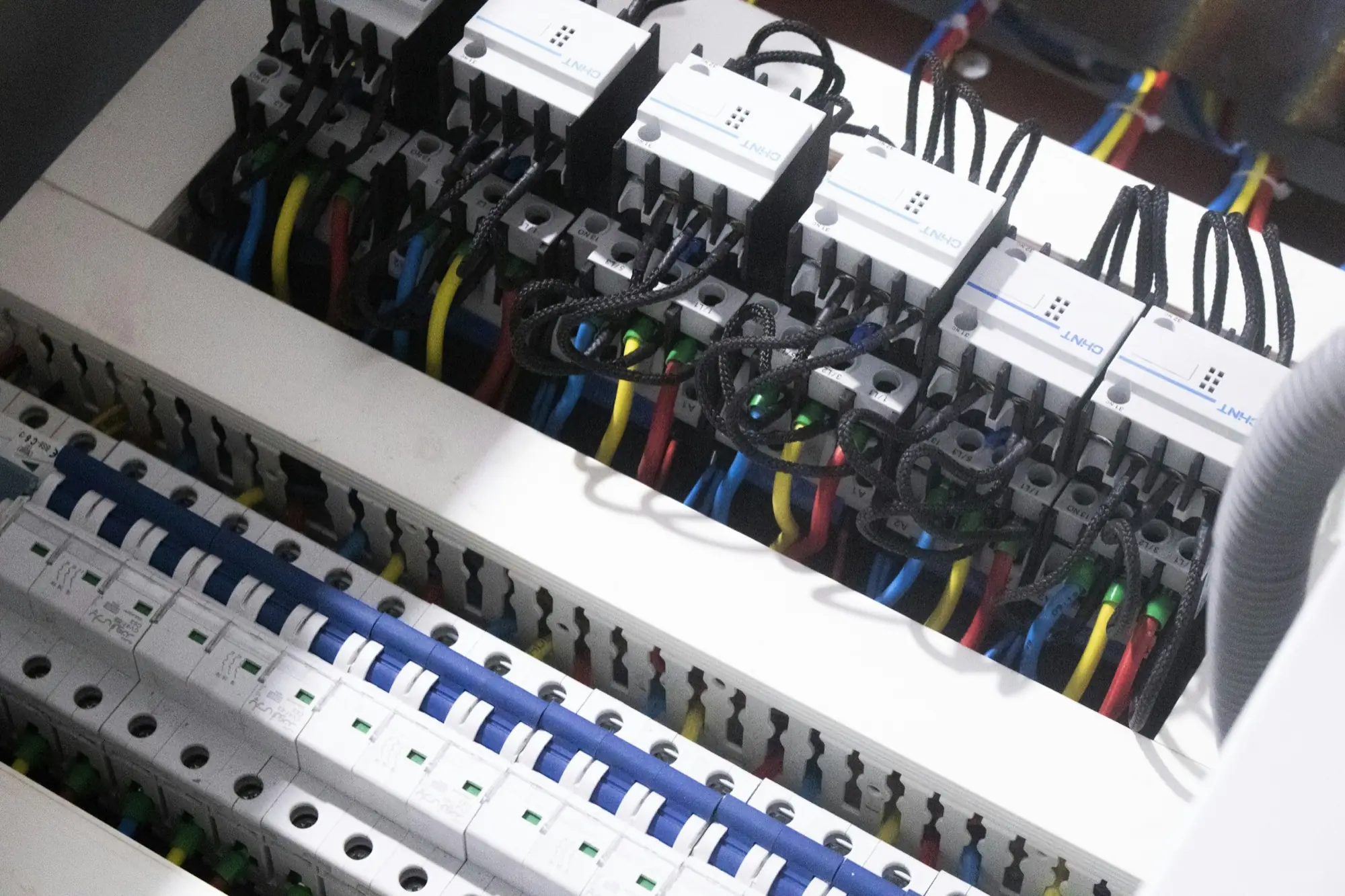
Rook RTU: remote terminal units built for the field.
Our own RTU hardware connects each turbine and inverter to Rook SCADA over SIM-based mobile links or fibre — the approach we pioneered for wind in 2006.
What is an RTU in SCADA?
A remote terminal unit (RTU) is a field device that connects equipment, such as a wind turbine controller or solar inverter, to a central SCADA system. It reads operating data, sends it to the SCADA server and carries commands back to the machine. The Rook RTU is designed and supplied by Rook, so the hardware, communication and software are engineered to work together.
In 2006, Rook introduced remote wind SCADA using M2M SIM cards on the mobile network. That approach replaced costly cabled and RF systems, and it still runs at hundreds of sites from Gujarat to Tamil Nadu. Read our story.
Why Rook builds its own RTU
When the hardware, link and software come from one team, there is one number to call when something needs fixing.
-
01
One accountable supplier
Rook’s hardware, software, communication, remote server infrastructure and maintenance, from one team.
-
02
Cable-less by design
SIM-based links mean no trenching between scattered turbines and no cable to cut or corrode.
-
03
Fibre when you have it
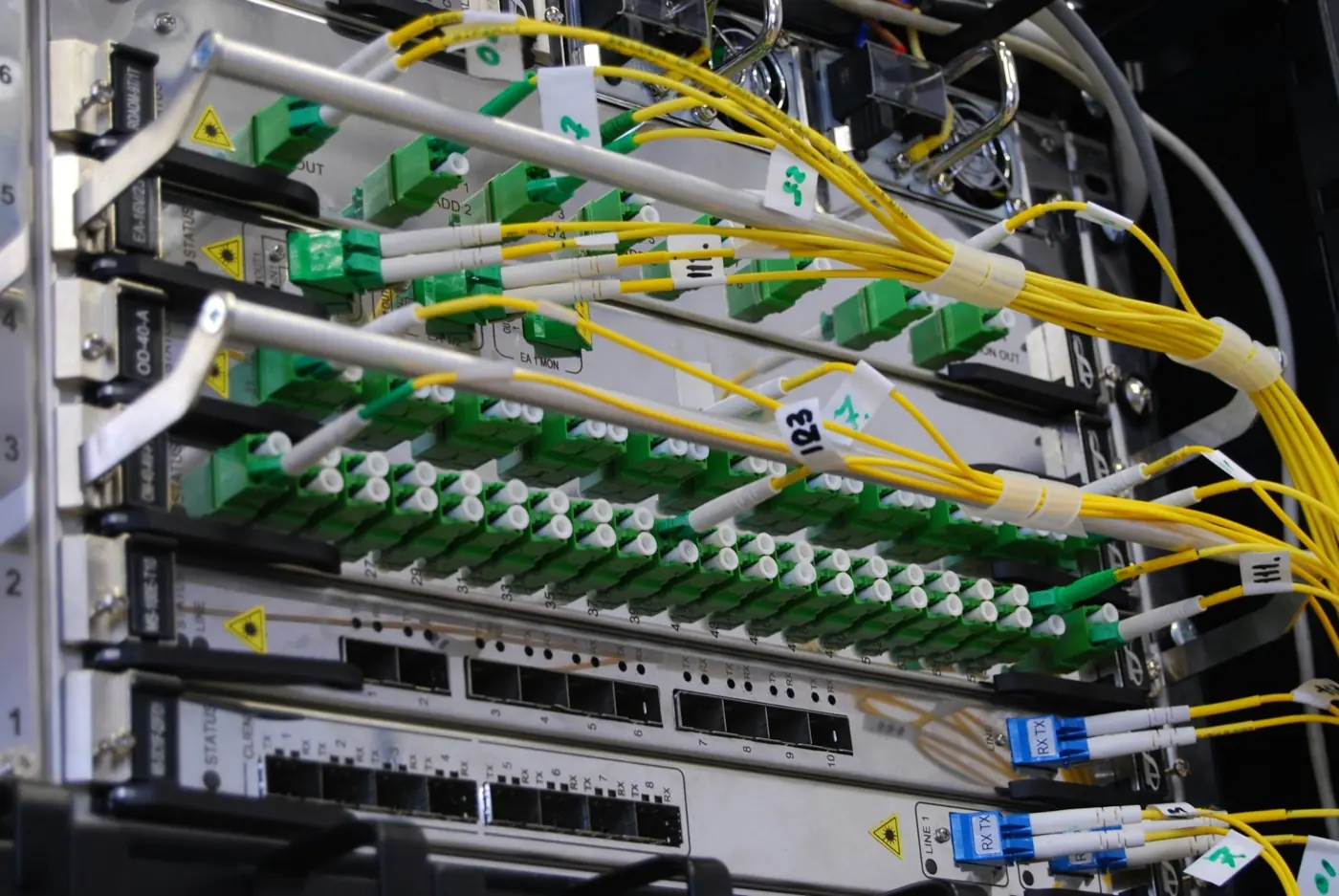
Where a plant already has fibre, the Rook RTU uses it.
-
04
Proven since 2006
Hundreds of installations across India, many still performing well years after installation.
-
05
Managed connectivity
SIM card renewals, server maintenance and communication architecture are all in Rook’s scope.
-
06
CEA & SLDC compliant
Communication and security meet CEA and SLDC standards, so plant data can be shared with the grid operator.
How the Rook RTU works
One RTU per asset, one link back to Rook SCADA.
-
01
Install
The RTU is fitted at the turbine or inverter and wired to its controller.
-
02
Read
It reads operating data and status continuously, feeding real-time monitoring.
-
03
Send
Data travels over an M2M SIM or fibre to Rook’s remote server.
-
04
Relay
Commands such as start, stop and setpoints travel back the same way. See remote control.

SIM or fibre: which link is right?
Both work with the Rook RTU, and many portfolios use both. We recommend one during the site survey.
| Factor | M2M SIM | Fibre |
|---|---|---|
| Installation | No cable between assets; quick to deploy | Needs a cable route to every asset |
| Best for | Scattered turbines and remote sites | Compact plants with fibre already in place |
| Depends on | Mobile network coverage at site | Integrity of the physical cable |
| Adding an asset | Fit an RTU and a SIM | Extend the fibre network |
| Rook manages | SIM renewals and the communication architecture | Communication architecture |
Why we chose remote SCADA
-
Low investment
Affordable communication & reduced OPEX.
-
Reliability
Proven communication & data availability.
-
Coverage
Reaches remote places with Rook’s signal boosters.
-
Easily scalable
Plug & play allows faster troubleshooting.
Rook RTU: common questions
A remote terminal unit (RTU) is a field device that reads data from equipment such as a turbine controller or inverter, sends it to a central SCADA server and carries commands back.
The mobile network is popular, reliable, widely available and low cost. It reaches turbines far from any cable and avoids the high investment and poor scalability of cabled systems.
Yes. The Rook RTU works over SIM-based links or fibre, and solar plants can also use RF.
Rook does. SIM card renewals, server infrastructure maintenance and communication architecture all fall under Rook’s scope.
Rook solutions come with a 1-year warranty and continuous support, with options for extended warranty and an annual maintenance contract (AMC).
Other Rook SCADA solutions
-

Real-time Monitoring

Live turbine and plant telemetry, streamed to any device.
-

Remote Control
Start, stop and change setpoints from wherever you are.
-

Alarms & Warnings
Prioritised fault alerts with a full acknowledgement trail.
-

Reports & Charts
Generation, availability, error, power curve & more.
-

OEM Compatibility
Plug-and-play integration with leading wind OEMs.
Last updated