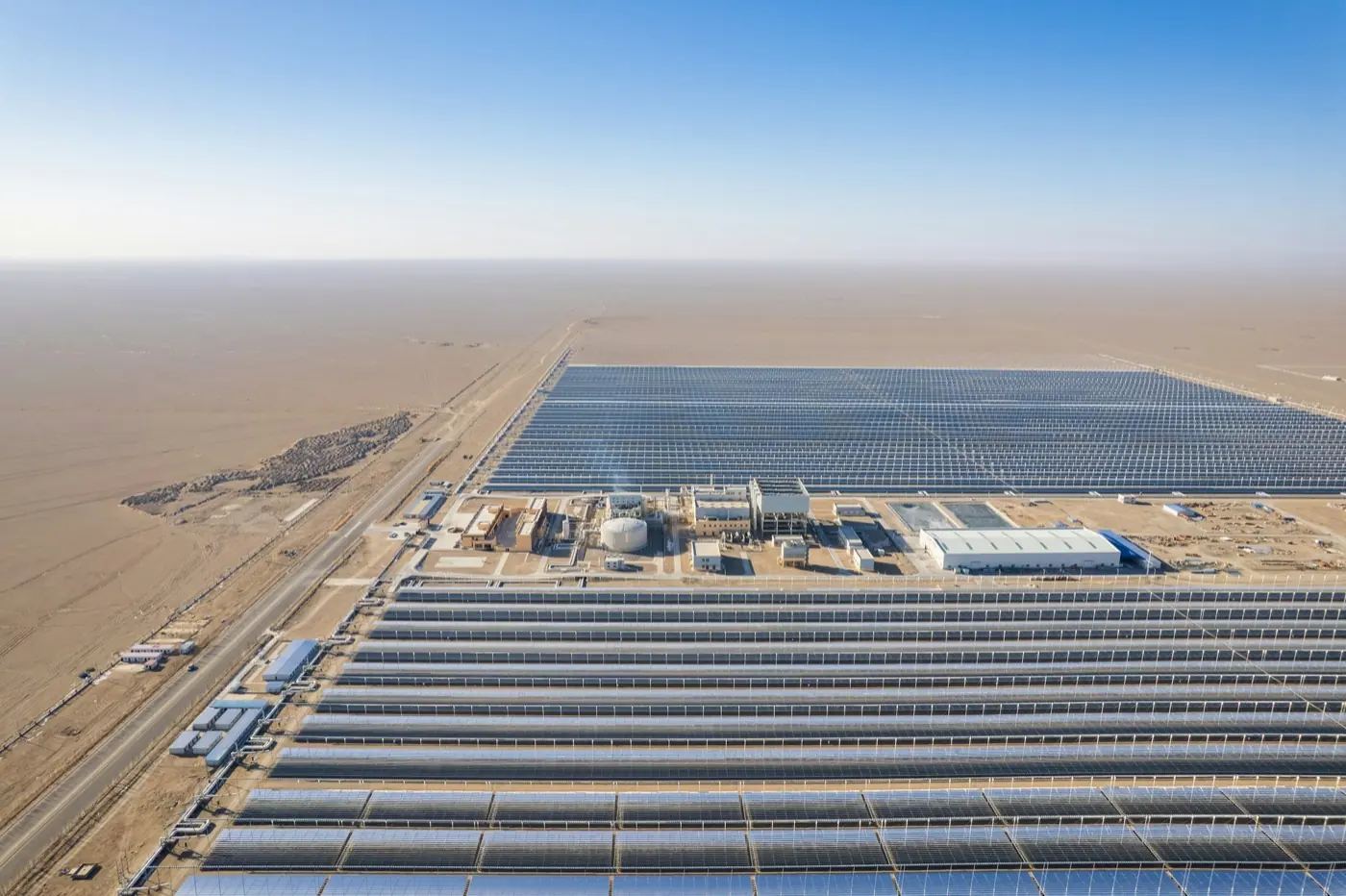
Solar inverter and string monitoring, on one screen.
Rook SCADA brings every inverter and string in your solar plant onto one web dashboard — live generation, string-level faults, alarms and reports — across inverter brands.
What is solar inverter monitoring?
Solar inverter monitoring is the continuous collection of operating data from a solar plant’s inverters — power, energy, status and faults — so operators can see how the plant is performing and act quickly when something fails. String monitoring goes one level deeper, checking each group of panels feeding an inverter so underperforming strings can be found.
In Rook SCADA, inverters and strings appear on the same web dashboard as any wind turbines you own, with the same alarms, reports and role-based access.
Solar sites can connect over RF or a SIM-based link, depending on the layout of the plant.
From plant total to a single string
Cost-effective monitoring for smarter operations and analysis.
-
01
Live inverter data
Power, energy and status from every inverter, as it happens. See real-time monitoring.
-
02
String monitoring
Spot strings that are producing less than their neighbours before losses add up.
-
03
Faults that reach someone
Inverter and string alarms are prioritised and sent to the person responsible. See alarms and warnings.
-
04
Generation and loss reports
Daily, monthly and custom reports on demand. See reports and charts.
-
05
Mixed inverter brands
Different makes on one webpage. See OEM compatibility.
-
06
Wind and solar together
Hybrid portfolios see turbines and inverters under one login.
RF or SIM: which link suits your solar plant?
Both carry the same data to Rook SCADA. The right choice depends on your site.
| Factor | RF | SIM-based |
|---|---|---|
| How it works | Radio link between devices across the plant | Mobile network link from each device |
| Suits | Compact plants with devices close together | Spread-out sites or plants with good mobile coverage |
| Depends on | Line of sight and distance on site | Mobile network coverage at site |
| Managed by Rook | Communication architecture | SIM renewals and communication architecture |
How a solar plant comes onto Rook SCADA
The same four steps we use for every site.
-
01
Understand
We survey the plant: inverter makes, string layout, connectivity and your state’s SLDC requirements.
-
02
Engineer
We map inverter and string data into Rook SCADA and set up your dashboards and reports.
-
03
Integrate
We install the hardware and connect it over RF or SIM.
-
04
Support
Continuous support with a 1-year warranty, plus extended warranty and AMC options. Rook manages SIM renewals and server infrastructure.
Solar Inverter Monitoring: common questions
ABB, FIMER, Gamesa Electric, SINENG, Sungrow, Trinity Touch, Kernel Sistemi and Hensel. Other brands can be assessed during the site survey.
Yes. String monitoring is part of Rook SCADA for solar, so underperforming strings can be found and fixed.
Over RF or a SIM-based link, chosen to suit the plant layout and mobile coverage.
Yes. Wind turbines and solar inverters from different OEMs share one web interface, with the same alarms, reports and role-based access.
Yes. Rook’s solution meets CEA and SLDC requirements, and Rook is a recognised data aggregator for the Tamil Nadu SLDC.


Last updated